Restaurant SEO: what actually works in 2026
Most venues don’t need “more keywords”—they need the right fundamentals: local intent, structured menus, fast pages, and a site that converts searches into calls, bookings, and orders.
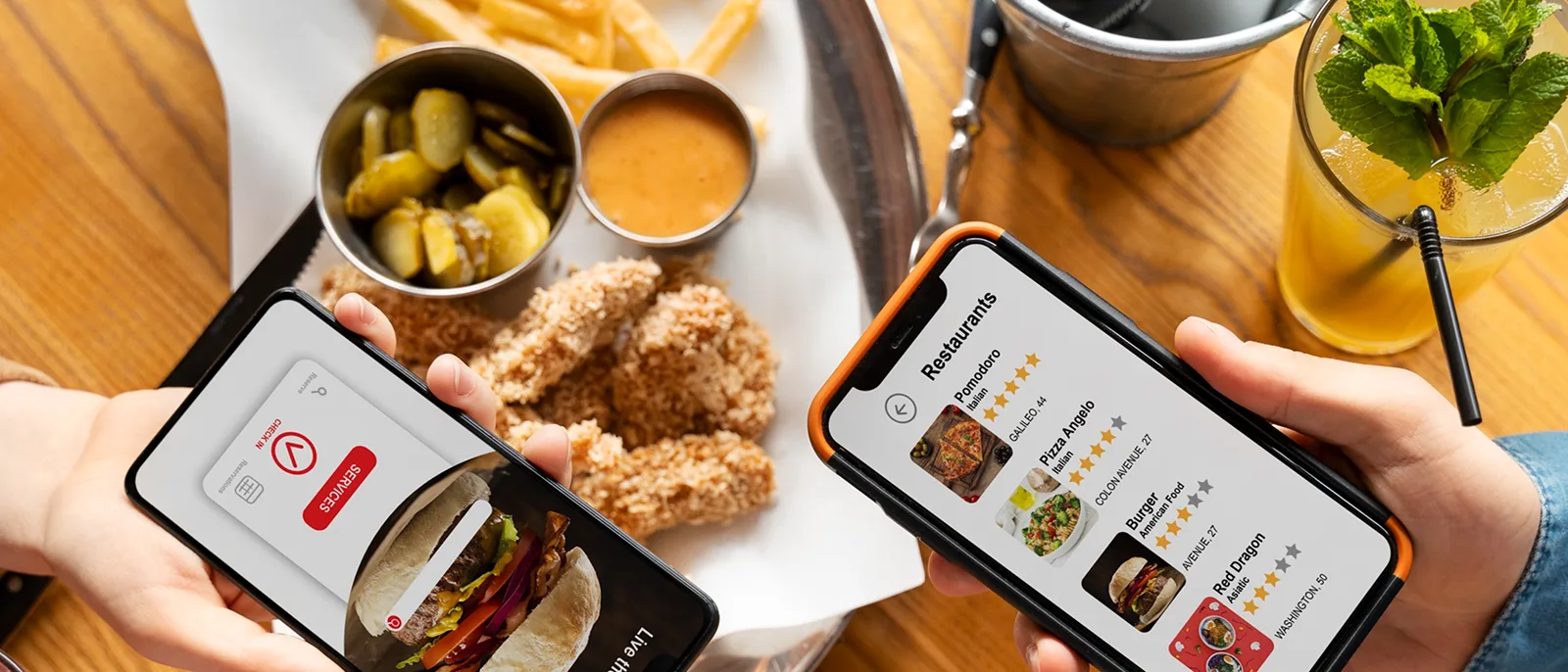
Maps + “near me” intent
Menu + Offer schema
Core Web Vitals
Best practices: the restaurant SEO playbook
Here are the moves that consistently improve rankings and—more importantly—drive real revenue for restaurants.
Live maps for customers and staff to reduce “where’s my order?” calls.
Use clear HTML menus + schema (Food/Offer/FAQ) so Google can understand items, pricing, and offerings.
Keep Name/Address/Phone consistent, optimise Google Business Profile, and build location pages for each venue.
Faster pages reduce bounce and increase conversions—especially on mobile where restaurant searches happen.
Reviews influence click-through and conversions. Highlight them and make it easy for customers to leave them.
Track calls, bookings, direction requests, and online orders—those are the metrics that matter.
Common misconceptions that cost restaurants rankings
 “SEO is just adding keywords.”
Modern SEO is structure, local signals, speed, and relevance. Keywords are only the starting point.
 “One page can rank for everything.”
Restaurants need dedicated pages: locations, menu categories, catering, delivery, events, and FAQs.
 “Maps rankings are separate.”
Your site, GBP, reviews, and consistency work together. Weak signals in one area drag the rest down.
“SEO is slow, so it’s not worth it.”You can win quick gains with GBP fixes, speed improvements, and better menu/indexation—then compound over time.
Reality check: the best restaurant SEO is “systems” SEO—repeatable, measurable improvements every week.
Case study
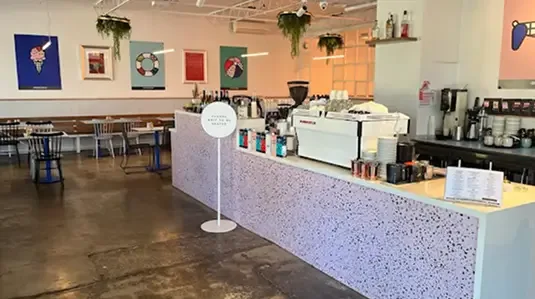
Double Pour Cafe (Bentleigh)
3 Months after launch: ranked #1 for “Best cafe near me” and “Breakfast near me”, delivered a 65% lift in organic bookings, and doubled calls from Google Business Profile.